
The Bille Agiri Festival: A Living Heritage of the Ijaw People……. Tonte Igbikialabo
In the heart of the Niger Delta, within the historic riverine kingdom of Bille Kingdom, the Agiri Festival stands as one of the most revered cultural celebrations of the Bille people. Rich in symbolism, ancestral reverence, and communal pride, the festival is more than a celebration it is a living documentary of identity, resilience, and tradition passed down through generations.
Origins of the Agiri Festival
The Agiri Festival traces its roots to the ancient traditions of the Bille people, one of the prominent clans of the Ijaw people. Historically, the festival is tied to spiritual cleansing, thanksgiving to the ancestors, and the reaffirmation of unity within the kingdom.
Oral history recounts that the festival began centuries ago when the ancestors of Bille sought divine protection and prosperity for their fishing communities and waterways. The sea and rivers have always been central to Bille life, and Agiri became the sacred period when the people expressed gratitude for abundance and prayed for continued blessings.
At the center of this tradition is the royal institution of the Amanyanabo (King), whose authority symbolizes the continuity of the kingdom and its customs.
The Sacred Preparation
Days before the festival begins, the entire kingdom comes alive with anticipation. Elders gather in council to perform traditional rites, while chiefs and custodians of the culture ensure that every aspect of the festival follows the ancient order.
Masquerades are prepared, ceremonial costumes are sewn, and traditional drums echo across the creeks. Fishermen decorate their boats, women prepare traditional delicacies, and youths rehearse chants that have been preserved for centuries.
The festival serves as a spiritual reset for the community, an opportunity to cleanse the land of misfortune and renew the covenant with the ancestors.
Opening Rituals and Royal Procession.
The Agiri Festival begins with sacred rites performed by the chiefs and priests of the kingdom. These rites invoke the blessings of the ancestors and call upon the spirits of the land and water to protect the people.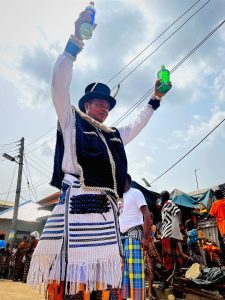
When the royal procession begins, the atmosphere becomes electric. Chiefs dressed in elaborate traditional regalia, coral beads, and embroidered robes assemble before the palace.
The Amanyanabo emerges in regal dignity, accompanied by chiefs and titled men. Drums beat rhythmically while traditional praise singers chant the history and glory of the kingdom.
One of the ceremonial chants often heard during this moment is:
“Agiri o! Agiri o!Owubokiri tamuno!
Bille seimie, seimie!
Ama wari tamuno!”
Meaning
Agiri has come!
The blessings of the ancestors are upon us.
Bille rises in unity,
Our land shall prosper.
The chant echoes across the waters, carried by the wind and answered by the voices of the people.
Masquerades and Cultural Displays
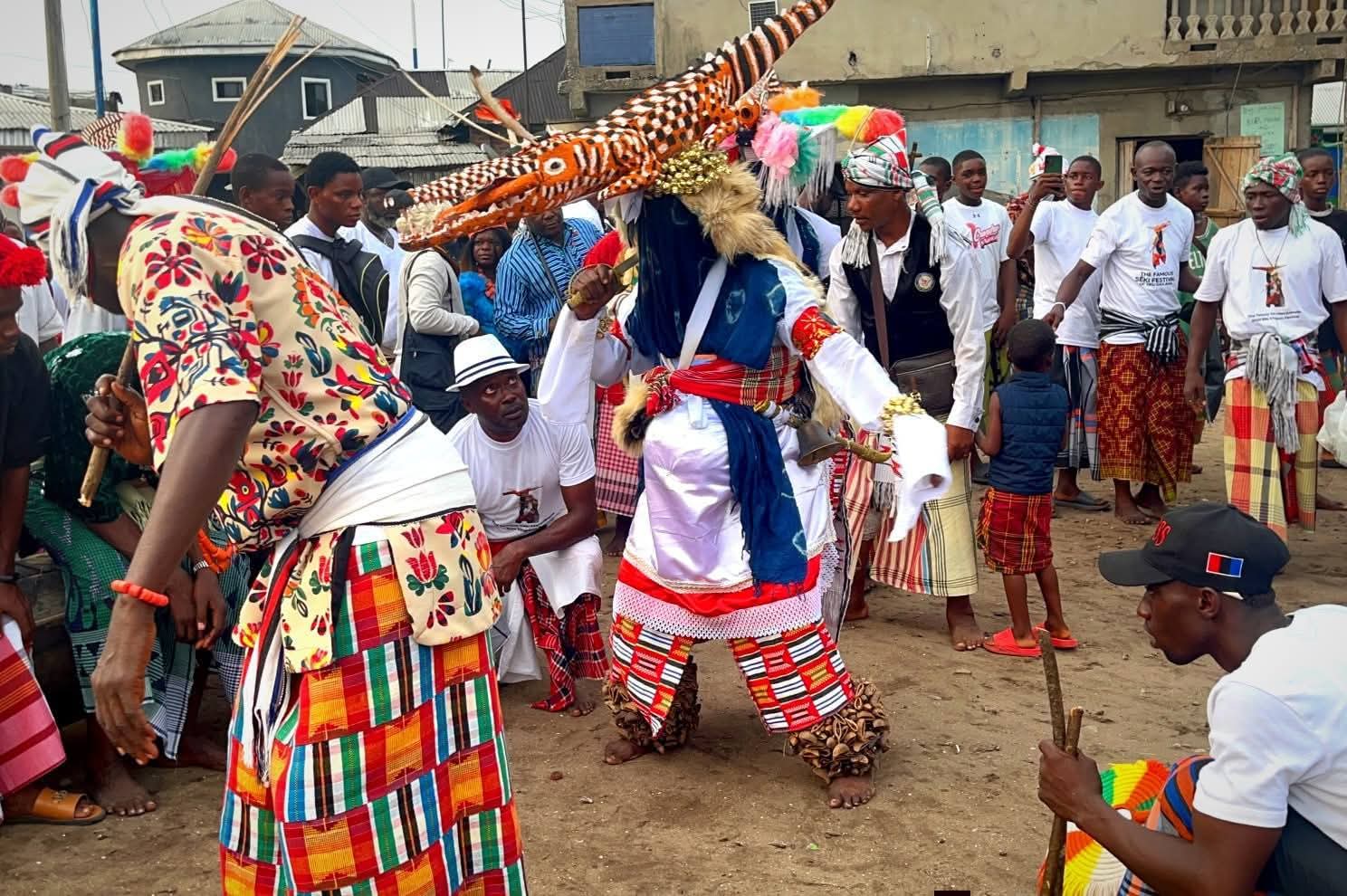
A highlight of the Agiri Festival is the appearance of sacred masquerades. These masquerades represent ancestral spirits and guardians of the community.
Their movements are dramatic and symbolic. Some dance slowly in dignified steps, while others perform energetic displays that captivate the audience.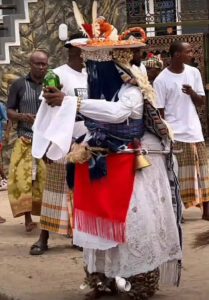
Each masquerade carries meaning—some symbolize protection, others justice, while some represent the spirits of ancient warriors.
Drums, gongs, and wooden slit drums provide the rhythm as dancers move in synchronization with the music.
Boat Regattas and River Celebrations
Being a riverine people, water plays a central role in the Agiri Festival. Colorful canoe regattas fill the waterways of Bille as paddlers compete in displays of strength and coordination.
The decorated boats glide across the river while spectators cheer loudly from the riverbanks.
The regatta is not only a sporting event but a reenactment of the maritime history of the Bille people—reminding younger generations of their deep connection to the rivers and sea.
Traditional Feasting and Communal Bonding
No Bille festival is complete without food and hospitality. Families prepare local delicacies including fresh seafood dishes and traditional soups.
Visitors from neighboring communities and other parts of Nigeria gather to witness the festival and share in the celebration.
The festival therefore becomes a reunion of sons and daughters of Bille from across the world.
Traditional Praise Chants
Throughout the festival, elders and chiefs often recite traditional chants that praise the ancestors and celebrate the greatness of the kingdom.
Another chant often heard among chiefs is:
Bille stands strong!
Agiri brings blessings!
Our ancestors rise with us,
Bille will never fall
These chants preserve history in oral form, ensuring that the legacy of the people continues through song and storytelling.
The Cultural Significance of Agiri
Beyond celebration, the Agiri Festival plays an essential role in preserving Bille heritage.
It reinforces respect for elders, strengthens communal unity, and reminds younger generations of their roots. Through chants, dances, masquerades, and rituals, the values of the Bille people are passed from one generation to the next.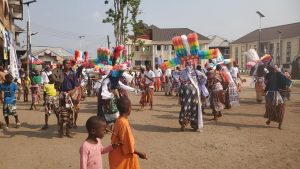
In a rapidly modernizing world, the festival stands as a powerful reminder that culture is identity.
Agiri in the Modern Era
Today, the festival continues to grow in prominence, attracting cultural enthusiasts, researchers, and tourists who wish to witness one of the most authentic celebrations in the Niger Delta.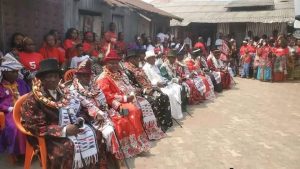
Despite modern influences, the Bille people remain committed to preserving the purity of their traditions.
Conclusion
The Agiri Festival is not just an event, it is a story of a people, their ancestors, and their enduring relationship with the land and water.
In every drumbeat, chant, and dance lies the spirit of Bille.
And as the festival draws to a close, the voices of the people rise once more across the river:
Agiri has come.
Bille rises in blessing.
Our land shall forever prosper.