

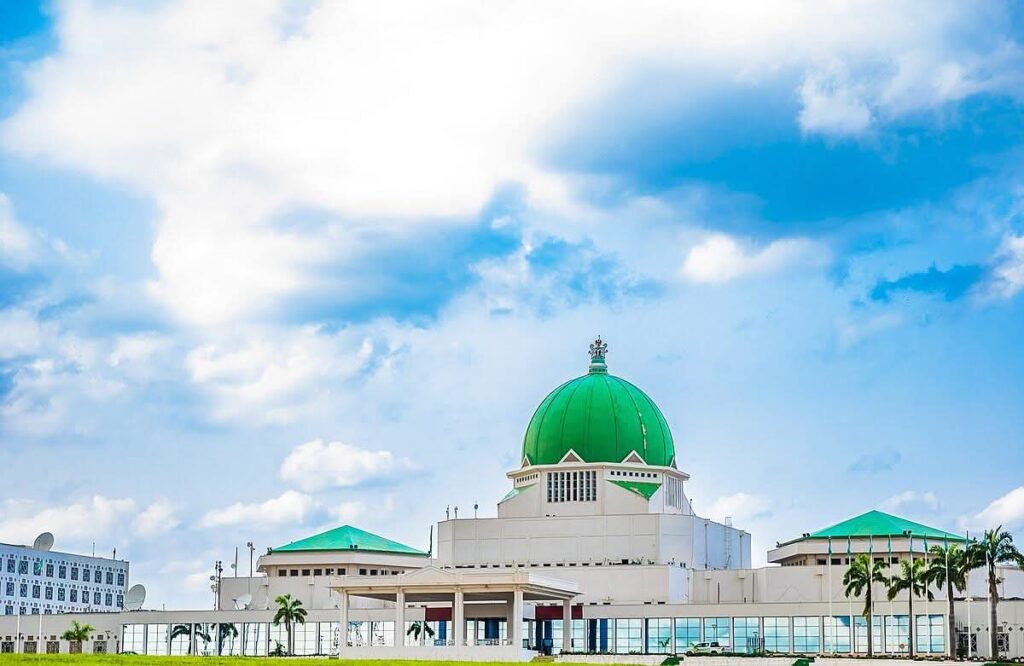
The National Assembly is proposing to move Nigeria’s next general elections to November 2026, six months earlier than the traditional February schedule.
The proposal is contained in the Electoral Act (Amendment) Bill 2025, presented on Monday during a joint public hearing by the Senate and House Committees on Electoral Matters in Abuja.
According to the draft legislation, which seeks to repeal the Electoral Act 2022 and replace it with a new framework, “elections into the office of the President and Governor of a State shall be held not later than 185 days before the expiration of the term of office of the last holder of the office.”
Ad space
The adjustment, lawmakers said, is aimed at ensuring that all court cases arising from elections are concluded before a new administration assumes office. “The above provisions are to ensure that all litigations are concluded before swearing in,” the bill explains.
However, some lawmakers expressed concern that the change alone may not address existing challenges, stressing the need to strengthen the judiciary’s capacity to handle election disputes. The joint committee also raised questions about potential constitutional gaps if rerun elections are ordered close to the 185-day limit.
If passed, the amendment means presidential and governorship elections would hold in November 2026, about six months before the current administration’s tenure expires in May 2027.
Beyond the new election timetable, the bill proposes key reforms, including inmate voting, early diaspora voting, use of National Identification Number (NIN) for voter registration, and mandatory electronic transmission of results.
It also recommends that the Permanent Voter Card (PVC) be made non-compulsory, as the Bimodal Voter Accreditation System (BVAS) no longer recognises the PVC microchip. Instead, voters will be able to download and print their voter’s card whenever necessary—an innovation aimed at curbing voter card trading and promoting digital verification.
Comments