

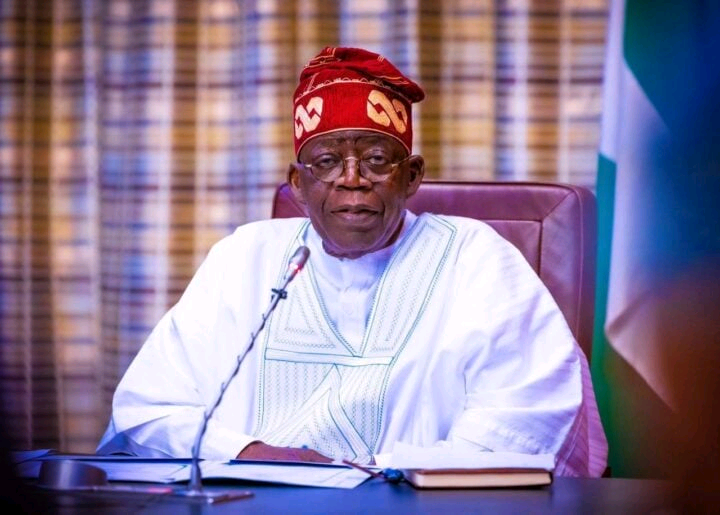
The Presidency has welcomed the latest revenue figures for January–August 2025, showing that Nigeria is achieving unprecedented growth in non-oil collections — a direct result of reforms to improve the government’s fiscal position, strengthen compliance, and digitise tax administration.
President Bola Tinubu highlighted the positive trajectory in non-oil revenue mobilisation yesterday while addressing a delegation of the Buhari Organisation led by Senator Tanko Al-Makura, which some sections of the media misrepresented.
From January to August 2025, total collections reached ₦20.59 trillion, a 40.5% increase from ₦14.6 trillion recorded in 2024. This aligns with projections and places the government firmly on track to meet its annual non-oil revenue target.
Ad space
Tinubu also disclosed that the Federal Government is no longer borrowing from local banks, underscoring the strong fiscal performance recorded since the beginning of the year.
A major highlight is the surge in non-oil revenues, which contributed ₦15.69 trillion, accounting for three out of every four naira mobilised — marking a structural shift away from oil dependence.
For the first time in history, FAAC disbursements to states and local governments crossed ₦2 trillion in July 2025, providing greater fiscal space to fund food security, infrastructure, and social services.
However, the President noted that despite the growth, the current revenues still fall short of his administration’s ambitious spending needs in education, health, and infrastructure, and efforts are ongoing to close these gaps.
Presidential spokesperson, Bayo Onanuga, said:
“Nigeria’s fiscal foundations are being reshaped. For the first time in decades, oil is no longer the dominant driver of government revenue. The combination of reforms, compliance, and digitisation powers a more resilient economy. The task ahead is to ensure that these gains are felt in the lives of our citizens and in better schools, hospitals, roads, and jobs.”
Key Takeaways:
• Nigeria mobilised ₦20.59 trillion in eight months — the highest in history.
• Non-oil revenues contributed ₦15.69 trillion (75% of total collections).
• Customs revenue hit ₦3.68 trillion in H1, exceeding targets.
• FAAC disbursements crossed ₦2 trillion monthly for the first time.
• Reforms, not just inflation/FX revaluation, are driving growth.
Revenues are rising, the base is broadening, and reforms are working. The next task is to ensure these numbers translate into tangible benefits for citizens — food security, jobs, better schools, hospitals, and roads.
Comments