

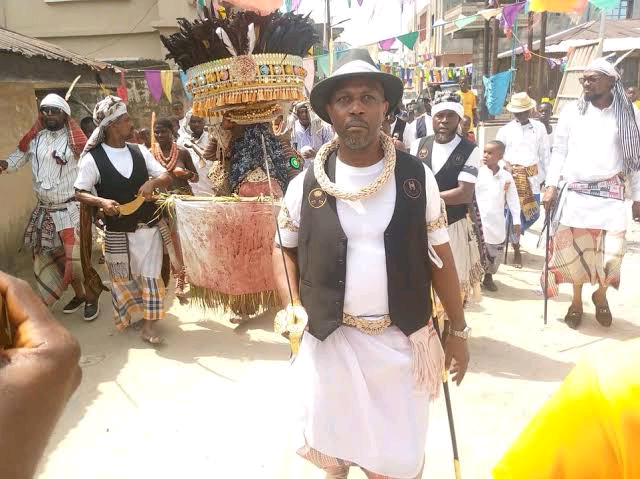
The enduring relevance of the Ekine Society lies not merely in its colorful masquerades or rhythmic drumbeats, but in its historic role as the moral, spiritual, and cultural heartbeat of the Kalabari people. In an age where modernization continues to erode indigenous identity, the Ekine institution remains one of the strongest pillars preserving the soul of the ancient Kalabari Kingdom.
For centuries, the Ekine Society has served as more than a ceremonial association. It has functioned as a custodian of tradition, a school of discipline, a platform for artistic expression, and a symbol of communal unity. Through its elaborate performances, sacred rites, and ancestral traditions, generations of Kalabari sons and daughters have remained connected to their roots, values, and collective history.
The historical significance of the society cannot be separated from the growth of prominent Kalabari communities such as Buguma, Abonnema, Tombia, and Bakana. During the height of the Kalabari Kingdom’s influence in regional trade and governance, the Ekine Society stood as a respected institution that reinforced social order, cultural pride, and community leadership.
Ad space
At the heart of the society’s existence is the belief in the spiritual connection between the living and the ancestral world, especially through the revered water spirits known among the Kalabari as “Owus.” These beliefs found expression in masquerade displays that were not merely entertainments, but sacred representations of ancestral presence, wisdom, and authority. The symbolism embedded in Ekine performances conveyed moral lessons, celebrated heroism, corrected societal excesses, and strengthened communal identity.
Beyond spirituality, the society historically played practical roles in maintaining peace and discipline within the community. Elders within the institution mediated disputes, guided younger generations, and promoted acceptable social conduct. In many ways, the Ekine Society functioned as an indigenous governance structure long before the advent of modern political systems.
Today, despite the pressures of westernization and changing social realities, the Ekine tradition continues to command admiration across Rivers State and beyond. Cultural festivals featuring Ekine masquerades now attract scholars, tourists, and lovers of African heritage who recognize the institution as a living archive of Niger Delta civilization.
However, preserving the Ekine heritage requires deliberate commitment. Younger generations must be encouraged to learn the language, songs, dances, and philosophies associated with the institution. Government agencies, cultural organizations, and community leaders must also support efforts aimed at documenting and promoting Kalabari cultural heritage for future generations.
A people who abandon their culture gradually lose their identity. The Ekine Society therefore remains not only a cultural institution, but a reminder that the history, dignity, and unity of the Kalabari people must never be forgotten.
Tonte Igbikialabo


Comments