

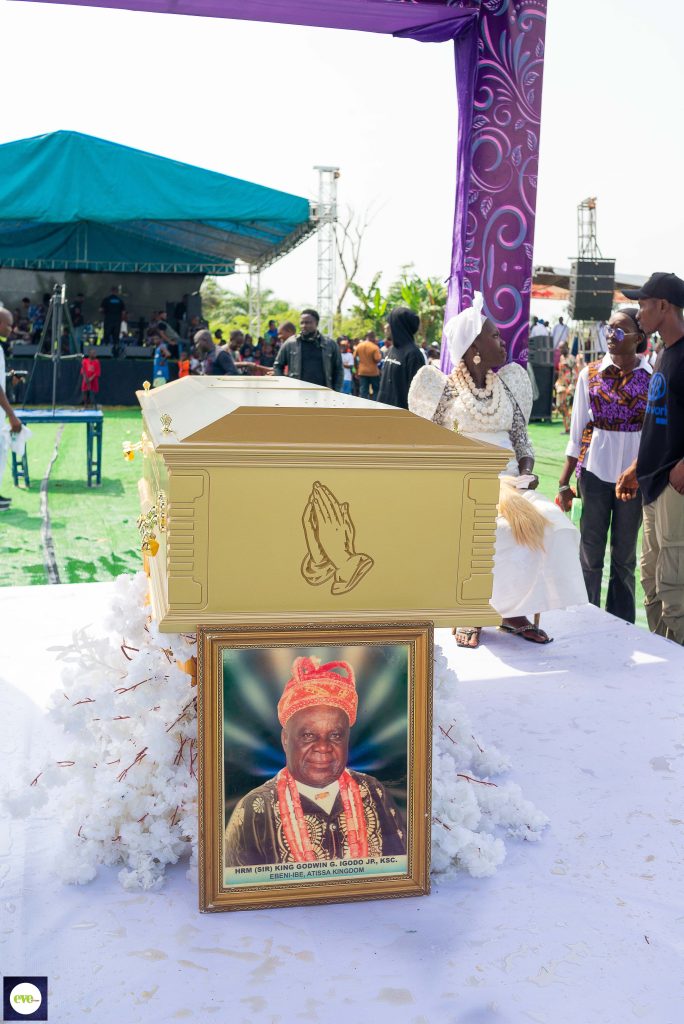
The Obogoro community on Friday demonstrated deep cultural solidarity and reverence as they defied a heavy downpour to pay their last respects to their late king. In a parallel show of honour, traders in the Swahili area shut their markets completely, symbolizing a collective gesture of loyalty and mourning for the revered traditional ruler.
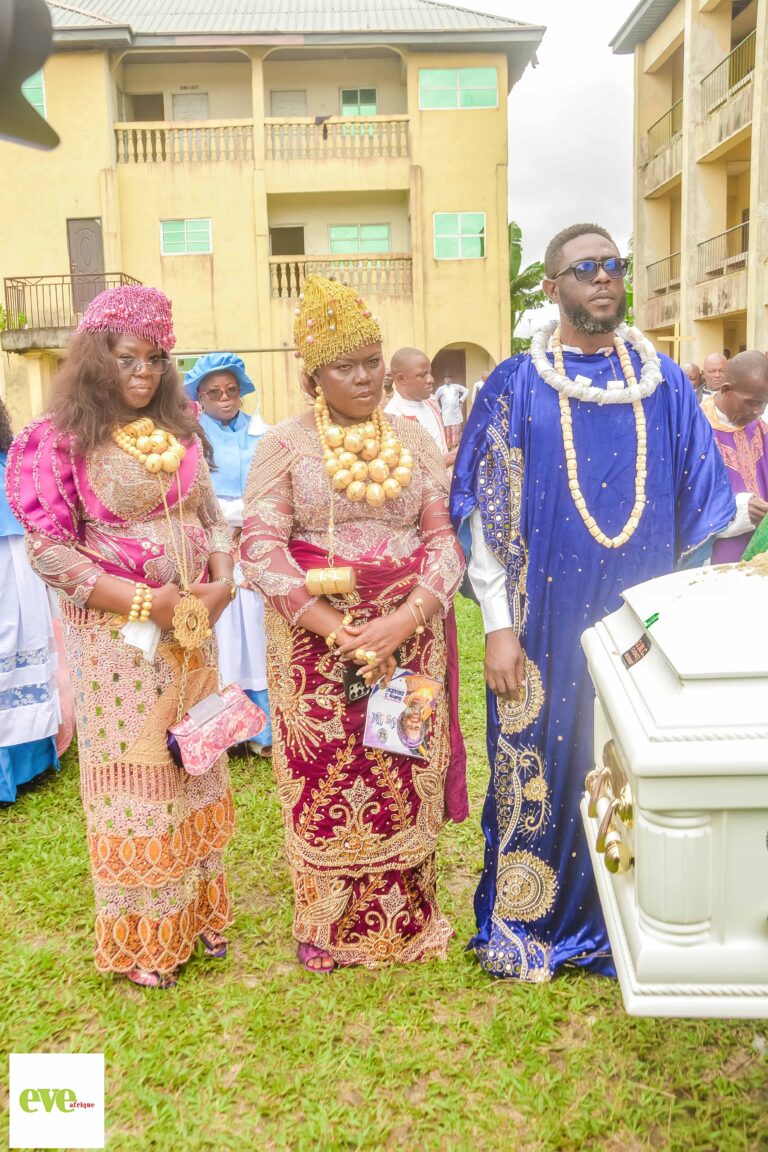
Despite the rain, the turnout remained impressive. The atmosphere was solemn yet vibrant as the ceremony featured traditional music, cultural dances, and moving tributes from community members, chiefs, and dignitaries. Speakers described the late monarch as a unifying force whose leadership strengthened communal bonds and positioned Obogoro as a centre of peace and cultural pride.
A Life of Service: Biography of the Late King
Ad space
The late king, widely respected across the Obogoro kingdom and beyond, dedicated several decades of his life to community development and cultural preservation. Born into a lineage of distinguished traditional leadership, he ascended the throne as a custodian of customs, a promoter of unity, and a strong advocate for youth empowerment.
Under his reign, Obogoro experienced renewed communal cooperation, increased participation in cultural festivals, and improved dialogue among neighbouring communities. He was known for his calm disposition, wisdom in conflict resolution, and commitment to ensuring that traditional institutions remained relevant in contemporary society.
Beyond his traditional duties, he championed education and encouraged skills development for young people, believing strongly that the future of the community rested in the hands of empowered youth.
His reign marked a period of stability, cultural growth, and strengthened identity a legacy that the people of Obogoro say will continue to guide generations to come.
A Unified Farewell
Friday’s lying-in-state reinforced the deep respect the people held for their king. With the markets in Swahili closed and the community of Obogoro standing firm in the rain, the final rites became a powerful demonstration of unity, tradition, and collective honour.
Early Life And Education.
HRM Godwin Igodo was born in Obogoro, in the Yenagoa Local Government Area of Bayelsa State, into a distinguished family of leaders. His father, Gurosi, and his grandfather, Igodo, both served as paramount rulers of Obogoro (Ebeneken), establishing a legacy of authority, wisdom, and cultural preservation.
From his mother, Aprebogha, he inherited resilience, discipline, and unwavering strengthtraits she embodied through her industrious nature and lifelong devotion to her family.
His educational journey began at St. Peter’s Primary School, Yenagoa, where he showed early signs of discipline and a strong desire to learn. He later proceeded to Aggrey Memorial Secondary School, Arochukwu, Abia State, an experience that broadened his worldview and prepared him for future responsibilities. These formative years—shaped by rich cultural heritage, strong family values, and the leadership legacy within his bloodline—laid the foundation for the man and leader he would become.
He went on to obtain his London General Certificate of Education, as well as qualifications from the Royal Society of Arts. These achievements were highly respected in his era and opened doors to significant professional opportunities.
Career And Professional Life.
H.R.M Godwin began his career in education as a teacher at The Apostolic Faith School, Ahoada. His teaching tenure, though brief, lasting one year at Olokuma (Ahoada), left a lasting impression on those he taught. He later transitioned into public administration, securing a position as a clerk with the Central Ijaw County Council.
In this role, he quickly proved himself adept at office administration. It was during this period that he mastered the typewriter an essential professional tool and honed the clerical and interpersonal skills that supported his steady career advancement.
In 1961, he took a major step in his professional journey by joining the Nigerian Ports Authority (NPA) as a clerical officer. His time at the NPA exposed him to the operations of one of the nation’s most important institutions and contributed significantly to his understanding of structured governance and administration. He resigned in 1967, just before the Nigerian Civil War, choosing to pursue new paths.
Fueled by ambition and guided by a strong spirit of independence, Godwin ventured into entrepreneurship. He founded Godwin-Igodo and Sons Venture, as well as Tariebi Nigeria Limited. Through these companies, he worked as a contractor with various government agencies and private organisations. His ventures flourished, reflecting his sharp business acumen, strategic thinking, and ability to navigate the complexities of postcolonial Nigeria’s economic environment.

Comments