
Editorial: Okuru Kaka—A Sacred Marital Rite Worth Preserving
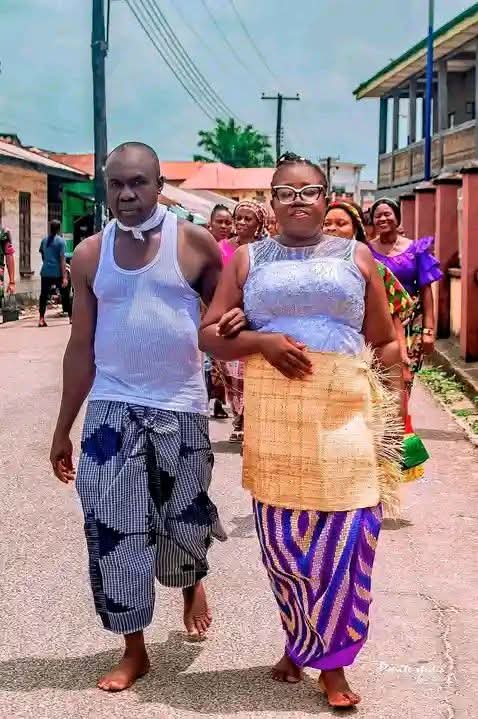
In the cultural life of the people of Okrika, marriage is far more than a union between two individuals it is a sacred bond between families, lineages, and generations. At the heart of this institution lies Okuru Kaka, a traditional marital rite that embodies the dignity, values, and identity of the Okrika people.
Okuru Kaka is the culturally recognized process that formalizes and legitimizes a marriage in Okrika tradition. It is the stage at which a woman is officially accepted as a wife, and the union gains full recognition not just from the couple, but from both families and the wider community. Without it, a marriage no matter how modern or religiously solemnized may be seen as incomplete within the traditional framework.
Okuru Kaka is not merely a customary formality; it is a deeply symbolic institution that reinforces moral standards, family responsibility, and social order. It affirms that marriage is not an individual affair but a communal one, built on mutual respect, accountability, and shared values.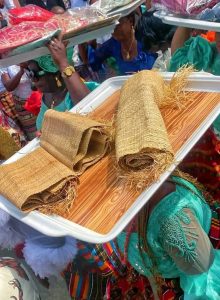
Yet, in recent times, this revered institution appears to be losing its prominence. The growing influence of western-style weddings, economic pressures, and changing social attitudes have led many to sideline or abbreviate traditional rites like Okuru Kaka. In some cases, it is treated as optional an afterthought rather than a foundational requirement.
This trend raises an important question: What becomes of a people who gradually abandon the very customs that define them?
Cultural practices such as Okuru Kaka are not relics of a bygone era; they are living expressions of identity. They serve as a bridge between the past and the present, ensuring that values such as respect for family, communal consent, and social responsibility are upheld. When these practices are neglected, the consequences extend beyond ceremony they touch on the erosion of cultural pride and continuity.
Preserving Okuru Kaka does not mean resisting modernity. Rather, it calls for a balance between tradition and contemporary life. Couples can embrace modern wedding styles while still honoring the traditional rites that give their union cultural legitimacy. Indeed, the richness of Okrika heritage lies in its ability to coexist with evolving societal norms.
There is also a need for greater awareness, particularly among the younger generation. Many young people may not fully understand the meaning and significance of Okuru Kaka. Community leaders, elders, and families must take deliberate steps to educate and involve them, ensuring that the rite is not only observed but appreciated.
Furthermore, cultural institutions and local authorities should support efforts to document and promote traditional practices like Okuru Kaka. As a marital rite, it holds not only cultural value but also the potential to strengthen social cohesion and identity within the community.
Ultimately, Okuru Kaka is more than a marriage ritual it is a symbol of honor, legitimacy, and belonging. To preserve it is to affirm the values that bind the people of Okrika together.
Tonte Igbikialabo


